
Why Does Water Contamination Occur in Hydraulic Oil and How Can It Be Removed?
Hydraulic oil plays an essential role in transmitting power, lubricating moving components, and protecting internal surfaces in industrial hydraulic systems. However, maintaining oil cleanliness involves more than removing solid particles. Water contamination is another common issue that can gradually affect oil performance and equipment reliability.
When water enters hydraulic oil, it may contribute to corrosion, lubricant degradation, increased component wear, and unexpected equipment problems. In some cases, the oil may become cloudy or milky, while in others, water contamination remains invisible to the naked eye. Understanding where the water comes from and how it exists in the oil is therefore important when choosing an effective treatment method.
1. How Does Water Enter Hydraulic Oil?
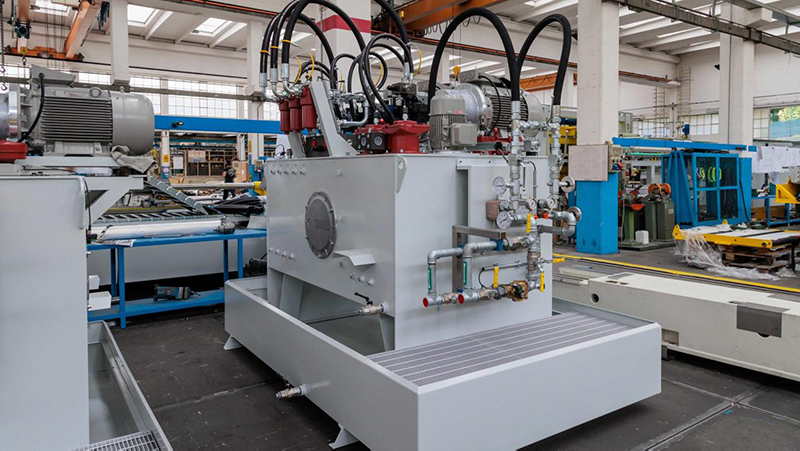
Water can enter a hydraulic system through several sources, and the cause is not always obvious. One common source is condensation. When equipment operates through repeated temperature changes, moisture in the air inside the hydraulic reservoir may condense into water droplets. This can be particularly relevant in environments with high humidity or significant temperature fluctuations.
Moisture may also enter through damaged seals, poorly maintained tank breathers, loose connections, or improperly stored hydraulic oil. If oil containers are left exposed to humid environments, water can enter during storage or handling.
In addition, a leaking oil cooler or heat exchanger may allow cooling water to mix with hydraulic oil, depending on the pressure conditions between the two circuits. Identifying the source of contamination is just as important as removing the water itself. If the cause of water ingress is not corrected, the problem may return even after the oil has been treated or replaced.
2. Understanding the Different Forms of Water in Hydraulic Oil
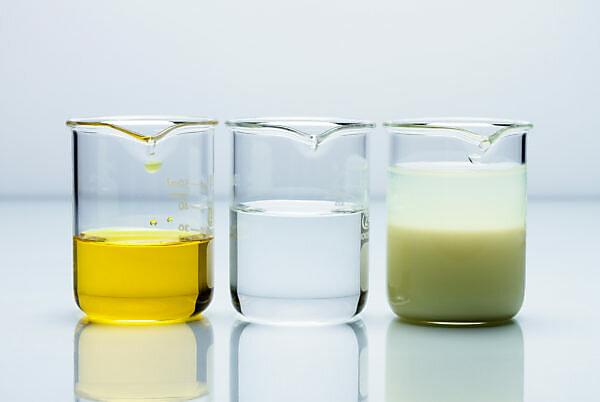
Water does not always behave the same way when it enters hydraulic oil. Depending on the oil formulation, temperature, and contamination level, it can exist as free water, emulsified water, or dissolved water. These forms have different characteristics and require different treatment approaches.
2.1 Free Water
Free water is the easiest form to recognize. It separates from the oil and may collect at the bottom of a hydraulic reservoir. When the equipment is stationary, a distinct water layer may become visible beneath the oil. In suitable systems, this water can be removed through a drain point or an appropriate separation process.
2.2 Emulsified Water
Emulsified water is more difficult to remove. Instead of separating into a clear layer, tiny water droplets remain dispersed throughout the oil. This can make hydraulic oil appear cloudy or milky. Because the droplets are small and suspended in the fluid, simple draining is usually insufficient.
2.3 Dissolved Water
Dissolved water is even harder to identify because it exists at a molecular level within the oil. The hydraulic oil may still look clear even when it contains dissolved moisture. For this reason, visual inspection alone cannot reliably determine whether oil is free from water contamination. Laboratory testing or suitable oil analysis is needed to evaluate the actual water content.
3. Why Is Water Contamination Harmful to Hydraulic Systems?
Water contamination can affect hydraulic systems in several ways. One of the main concerns is the reduction of lubrication reliability. Hydraulic oil forms a protective film between moving components, and excessive water can interfere with the oil's ability to protect these surfaces. Over time, this may increase wear in pumps, valves, bearings, and other precision components.
Water can also promote corrosion on metal surfaces, particularly when equipment is exposed to moisture for extended periods. Rust and corrosion products may circulate through the system, creating additional contamination and potentially affecting sensitive hydraulic components.
Another concern is oil degradation. Water can contribute to oxidation and may affect the performance of certain oil additives. Under some operating conditions, contamination can also contribute to sludge formation and deposits. These problems may reduce oil service life and increase maintenance requirements.
The actual impact depends on the amount and form of water, the type of hydraulic fluid, system design, and operating conditions. This is why regular oil condition monitoring is more reliable than waiting until visible problems appear.
4. What Methods Can Remove Water from Hydraulic Oil?
The appropriate water-removal method depends mainly on whether the contamination is free, emulsified, or dissolved. There is no single filtration method that is equally effective for every situation.
4.1 Water Draining
For free water that has settled at the bottom of a reservoir, draining may be a practical first step. However, this method only removes separated water and does not solve problems involving fine emulsified droplets or dissolved moisture.
4.2 Coalescing Filtration
Coalescing filtration is another method used in liquid-liquid separation applications. A coalescing element helps small dispersed water droplets combine into larger droplets, making it easier for the water to separate from the oil in a properly designed separation system.
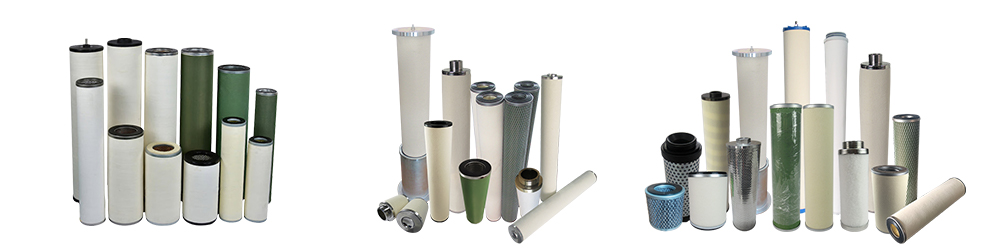
Coalescing technology is commonly used in fuel and hydrocarbon processing. Its suitability for a particular hydraulic oil application must be evaluated according to fluid properties, system design, and equipment requirements. A conventional hydraulic particulate filter should not be mistaken for a coalescing water-removal element.
4.3 Vacuum Dehydration
For applications involving emulsified or dissolved moisture, vacuum dehydration may be considered. This process uses reduced pressure, often together with controlled heating, to help remove moisture from oil. When correctly selected and operated, a suitable dehydration unit can reduce different forms of water contamination.
4.4 Centrifugal Separation
Centrifugal separation may also be used in certain applications where differences in fluid density allow water to be separated from oil. The actual performance depends on fluid properties, operating conditions, and equipment configuration.
Before selecting any treatment method, it is important to understand the oil condition and the required water-removal performance. An unsuitable process may fail to remove the contamination effectively or may not be compatible with the operating system.
Comparison of Common Hydraulic Oil Water Removal Methods
| Treatment Method | Main Application | Key Consideration |
|---|---|---|
| Water Draining | Separated free water | Cannot effectively remove dissolved water |
| Coalescing Filtration | Dispersed water droplets | Requires a suitable separation system |
| Vacuum Dehydration | Different forms of moisture, depending on equipment | Requires suitable operating conditions |
| Centrifugal Separation | Water and oil separation based on density differences | Performance depends on fluid properties |
5. How to Prevent Water Contamination in Hydraulic Systems
Removing water is only part of contamination control. Preventing moisture from entering the system in the first place can reduce maintenance costs and help extend hydraulic oil service life.
Regular inspection of reservoir seals, tank breathers, pipe connections, and oil coolers can help identify potential sources of water ingress. Hydraulic oil should also be stored in clean, sealed containers and protected from rain and humid environments. When adding new oil, proper handling and filtration practices are important to avoid introducing additional contaminants.
For equipment operating in demanding environments, periodic oil analysis can provide useful information about water content and overall oil condition. If water contamination is detected repeatedly, maintenance teams should investigate the source rather than relying only on frequent oil replacement.
It is also important to select the correct filtration equipment. Particulate hydraulic filter elements are designed primarily to capture solid contaminants such as metal particles, dust, and other debris. Specialized water separation or dehydration equipment may be needed when moisture removal is part of the application requirement.
Conclusion
Water contamination is a common but often underestimated threat to hydraulic oil quality and equipment reliability. Whether it enters through condensation, damaged seals, improper storage, or cooler leakage, water can affect lubrication, promote corrosion, and accelerate oil degradation.
The first step toward effective treatment is to identify whether the water exists as free, emulsified, or dissolved moisture. Draining, coalescing separation, vacuum dehydration, and centrifugal separation each serve different purposes, and the right choice depends on the actual oil condition and system requirements.
Alongside proper filtration, regular oil analysis and preventive maintenance help industrial operators control contamination and protect critical hydraulic equipment.
Looking for a Suitable Industrial Filtration Solution?
TOPEP provides industrial filtration solutions, including hydraulic filter elements and customized filtration products for different operating requirements. If you are looking for a suitable filtration solution for your equipment, contact our team to discuss your application.
Email: sales@topep.net
WhatsApp: +86 18568583536
Frequently Asked Questions
1. Can a standard hydraulic oil filter remove water?
Most standard hydraulic filter elements are designed to capture solid particles rather than remove water. Water contamination may require a dedicated separation or dehydration process.
2. Why does hydraulic oil turn milky?
Milky or cloudy hydraulic oil may indicate emulsified water dispersed throughout the oil. However, appearance alone cannot confirm the exact water content, so oil analysis is recommended.
3. What is the difference between a coalescing filter and a hydraulic filter?
A conventional hydraulic filter element mainly captures solid contaminants. A coalescing element is designed to combine small liquid droplets into larger droplets to support liquid-liquid separation in a suitable system.
4. Can dissolved water be removed from hydraulic oil?
Yes. Suitable dehydration processes, such as vacuum dehydration, can help reduce dissolved moisture. The appropriate process depends on the oil type and operating conditions.
5. How can water contamination in hydraulic oil be prevented?
Regularly inspect seals, tank breathers, oil coolers, and storage containers. Proper oil handling and periodic oil analysis can also help identify and prevent recurring water contamination.
- Why Does Your Hydraulic Oil Filter Clog Frequently?
- What Is the Difference Between an Oil Filter and a Hydraulic Filter?
- How to Improve Dust Collection Efficiency
- Why Do Industrial Filters Fail?
- Stainless Steel Filter Cartridge Applications in High Temperature Industries
- How to Select the Right Industrial Filter Element for Your Application
- How to Identify the Right Replacement Filter Element
- Air Purifier Filter Replacement: When and How to Replace Your Filter