

Inquiry
We have rich experience and capacity to deal with big order and projects.
.jpg)
.jpg)
.jpg)
.jpg)
.jpg)
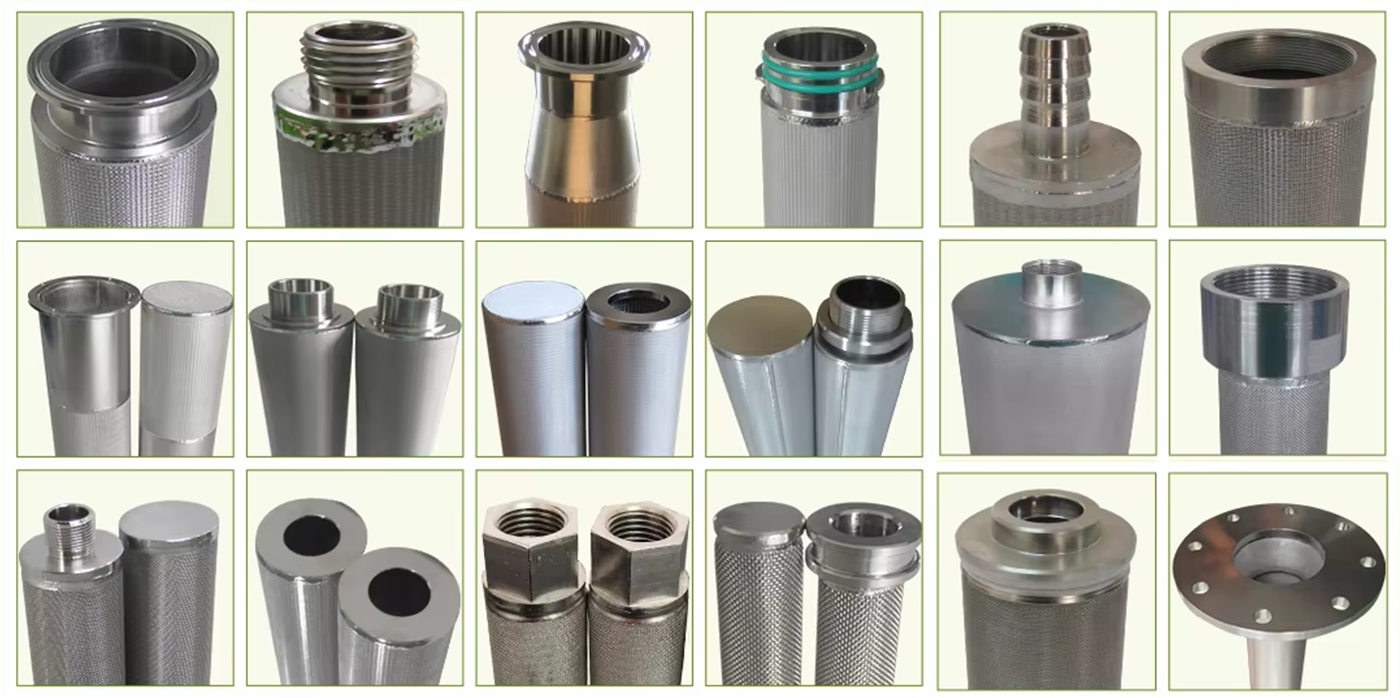
This 304 stainless steel sintered wire mesh filter element combines a bonded metal mesh medium with a cylindrical design and an M18×1.5 male threaded connection. With a 25 mm outer diameter and a specified height of 225 mm, it provides a defined configuration for equipment builders and buyers evaluating a metal mesh filtration component.
Sintered mesh is selected when filtration requirements call for a supported, bonded mesh structure rather than an unsupported woven screen. As part of TOPEP’s stainless steel sintered mesh filter range, this element should be matched to the required particle retention, process medium and operating conditions before purchase.
(1).jpg)

| Product Name | Sintered Wire Mesh Filter Element |
| Material | 304 Stainless Steel |
| Filter Medium | Sintered Wire Mesh |
| Outer Diameter | 25 mm |
| Specified Height | 225 mm |
| Connection Type | Male Thread |
| Thread Size | M18×1.5 |
Sintering bonds the mesh into an integrated medium, helping maintain its filtering geometry instead of relying on a loose screen alone. This structural stability matters when a process needs dependable particle separation during normal operation. Select the filtration rating by the required retention performance; the element’s dimensions do not determine its micron rating.
In a supported sintered mesh construction, the support layers share mechanical loads that would otherwise act directly on the fine filter mesh. This helps protect the filtering layer during service and handling. For buyers, the practical benefit is a more robust medium for demanding filtration duties, provided the complete element is operated within its approved differential-pressure limits.
Sintered mesh can be suitable for backwashing or other validated cleaning methods, allowing removable deposits to be cleared rather than automatically discarding the medium. Where cleaning restores acceptable flow and retention, this can reduce replacement consumption. The cleaning method must suit the contaminant, material and complete element construction; reuse should follow inspection and performance checks.
Sintered mesh constructions can combine a fine filtering layer with supporting meshes selected for permeability and strength. This allows particle retention, flow resistance and structural requirements to be considered together. Buyers should compare pressure-drop data at the intended flow rate and fluid viscosity, rather than assume that all cartridges of the same diameter deliver the same throughput.
Thermal-load resistance is one reason sintered metal mesh is considered for processes that place demands on the filter medium beyond particle capture. This can be useful when evaluating process-temperature changes or a proposed cleaning cycle. Approval must cover the complete cartridge, including joints and any sealing components; a stainless steel medium alone does not establish the assembly’s temperature limit.

|
Comparison |
Sintered Mesh Filter |
Sintered Powder Filter |
|---|---|---|
| Basic structure | Bonded woven wire mesh layers | Sintered metal powder particles |
| Pore formation | Determined by mesh weave and layer arrangement | Determined by powder particles and sintering conditions |
| Typical design focus | Defined mesh structure and mechanical stability | Porous metal structure with interconnected pores |
| Cleaning | Depends on mesh structure and contamination | Depends on pore structure and contamination |
| Selection priority | Mesh configuration, rating and strength | Pore characteristics, permeability and rating |
This configuration can be considered for industrial particle-filtration duties where the equipment requires a 25 mm outer-diameter element with an M18×1.5 male connection. Review its suitability against the actual service:
Use this review to establish whether the element suits your process. A dimensional match alone does not confirm filtration performance or compatibility.
Q1: When should a sintered mesh filter be cleaned rather than replaced?
Cleaning is worth considering when deposits can be removed and the element remains structurally sound. Replacement is the better choice if inspection reveals damaged mesh, cracked joints, deformation or contamination that cannot be removed safely. After any approved cleaning process, check both flow recovery and filtration performance before returning the element to service.
Q2: Does a finer filtration rating always provide better results?
A finer rating is useful only when the process requires the additional particle removal. Selecting unnecessarily fine filtration can increase flow resistance and shorten the interval between maintenance activities. Base the choice on the contaminants that must be captured, downstream equipment requirements and acceptable pressure drop—not simply the smallest available micron rating.
Q3: Why might a sintered mesh filter clog sooner than expected?
Early clogging can result from excessive contamination, an unsuitable filtration rating or deposits that are difficult to remove, such as sticky residues. Changes in fluid viscosity or operating flow can also affect pressure drop. Investigate these factors before changing the element; where appropriate, assess whether upstream prefiltration would reduce the load on the fine filtering medium.
Q4: Is a sintered mesh filter more economical than a disposable cartridge?
The answer depends on the application rather than the purchase price alone. Where validated cleaning allows reliable reuse, a sintered mesh element may reduce replacement consumption. Compare the initial price with cleaning labor, cleaning materials, downtime, inspection and disposal costs. Reuse provides an economic benefit only while the element continues to meet the required filtration performance.
Q5: What should buyers check before switching from another filter type?
Compare particle-retention performance, flow resistance, material compatibility and maintenance requirements under equivalent operating conditions. Also review the complete installation and sealing arrangement. A sintered mesh element should not be treated as a direct substitute merely because it fits the equipment; confirm that it can meet the process requirements without creating unacceptable pressure drop or maintenance demands.
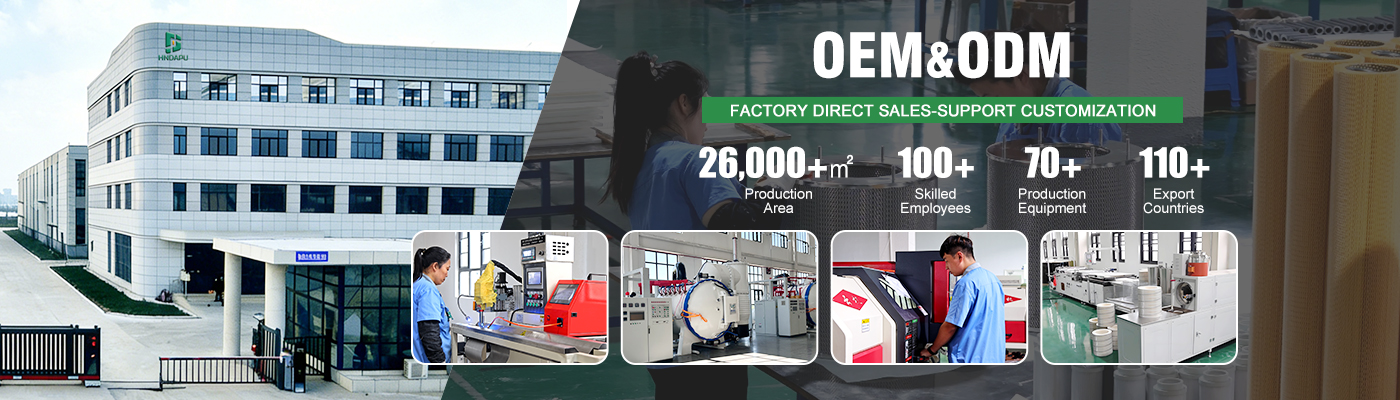
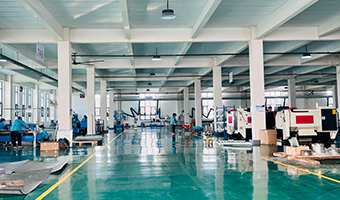
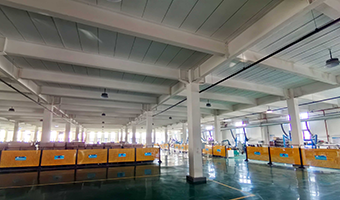
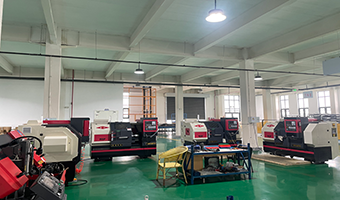
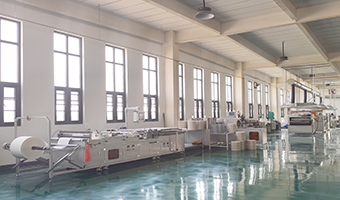
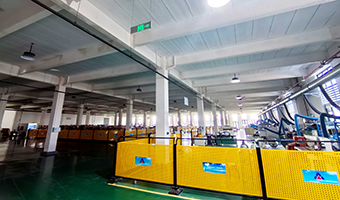
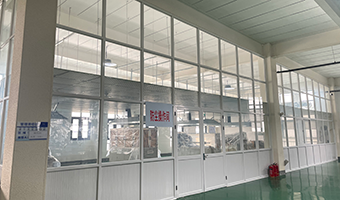
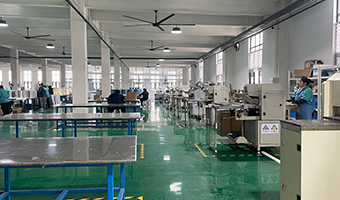
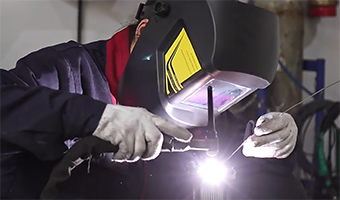
Henan Top Environmental Protection Equipment is a manufacturing company located in Henan, China, focusing on a wide range of filter cartridges and filter housings. Our facility is equipped with advanced production equipment, including rolling, slitting, and welding machines, as well as several automated lines that allow us to deliver consistent, high-quality products in large volumes.
Our R&D team consists of experienced engineers who provide solid technical support, complemented by a knowledgeable sales and after-sales staff dedicated to reliable service. Every product is produced under strict quality control procedures to ensure it meets demanding performance standards.
We specialize in customized filtration solutions. According to customer needs, we can select suitable raw materials for various working conditions and offer custom dimensions, colors, packaging, labels, logos, and graphics. With strong manufacturing capability, we are often able to complete new product development and production within a week.
The company has earned CE and ISO certifications and holds several R&D patents. With more than 15 years of export experience, our products are shipped to over 100 countries and regions, including North America, Eastern Europe, the Middle East, and Southeast Asia. Guided by principles of responsibility, professionalism, and integrity, we have built long-term trust and recognition throughout the industry by consistently delivering dependable products and service.
.jpg)
.jpg)
.jpg)
.jpg)
.jpg)
.jpg)
.jpg)
.jpg)