Position:
Home > Products > Sintered Metal Filter > Stainless Steel Sinter Mesh Filter
Stainless Steel Sintered Filter
metal sintered filter
Stainless Steel sintered mesh Filter
wire mesh sintered filter
sintering filter cartridge
Stainless Steel Sintered Filter
metal sintered filter
Stainless Steel sintered mesh Filter
wire mesh sintered filter
sintering filter cartridge

Stainless Steel Sintered Filter Element 15*40*104

Material
Stainless Steel
Precision
Customized
Working Temperature
-200-650℃
Share:

Product Description

Stainless Steel Sintered Filter Element 15×40×104 with Internal Thread Connection

The Stainless Steel Sintered Filter Element 15×40×104 is manufactured from high-quality stainless steel powder through a sintering process, providing excellent filtration performance, mechanical strength, and long service life. Designed with an internal threaded connection, this filter element offers secure installation and easy replacement in various industrial filtration systems.

Featuring a uniform porous structure, the sintered stainless steel media effectively removes solid particles, contaminants, and impurities from liquids and gases while maintaining stable flow rates and low pressure drop. Its corrosion-resistant and high-temperature-resistant properties make it suitable for demanding operating environments.

Technical Parameters

  
Product Name Customized Stainless Steel Sintered Mesh Filter
Material Stainless Steel 
Size  15 × 40 × 104 mm
Connection Type Internal Thread
Filter Precision 1 -- 300μm
Working Temperature -200 -- 650℃
Porosity 35% -- 50%
Pressure Resistance Up to 30 MPa
Corrosion Resistance PH 0-14
Working Media Air / Water / Oil / Viscous Liquid / Chemical Liquid
Connection Standard Thread / Flange / Quick Connection / Tie Rod Connection / Custom


Filter Structure


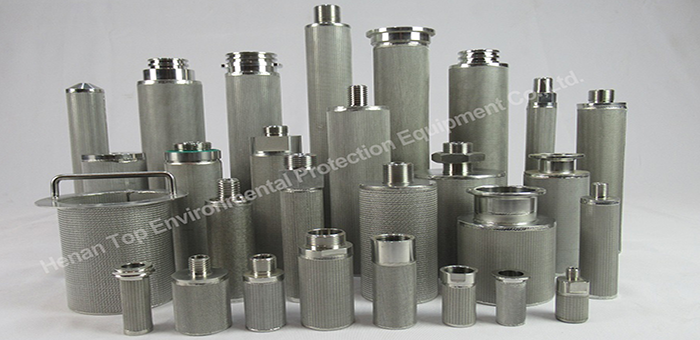
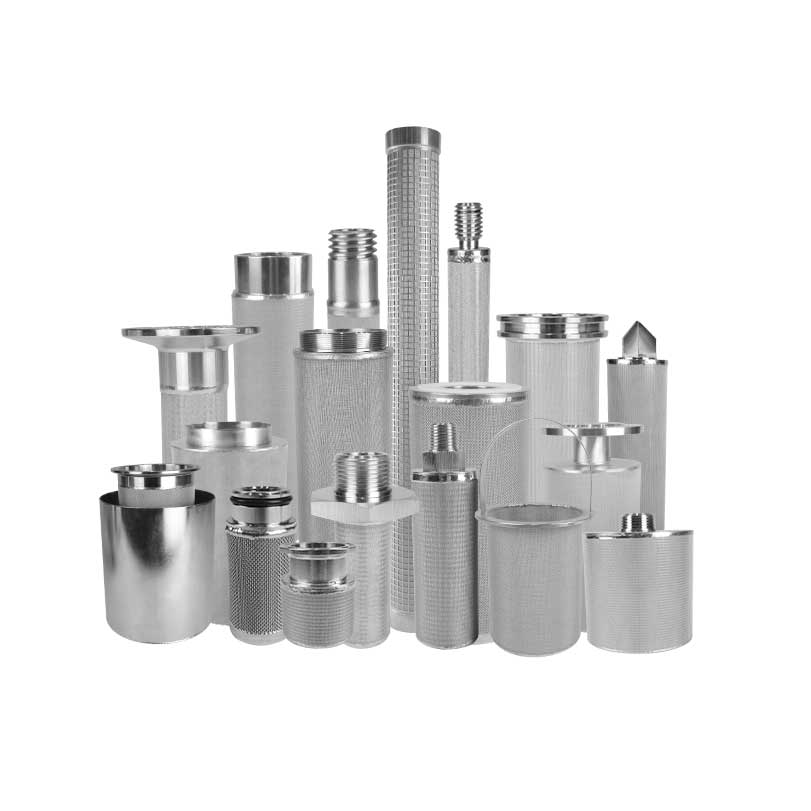
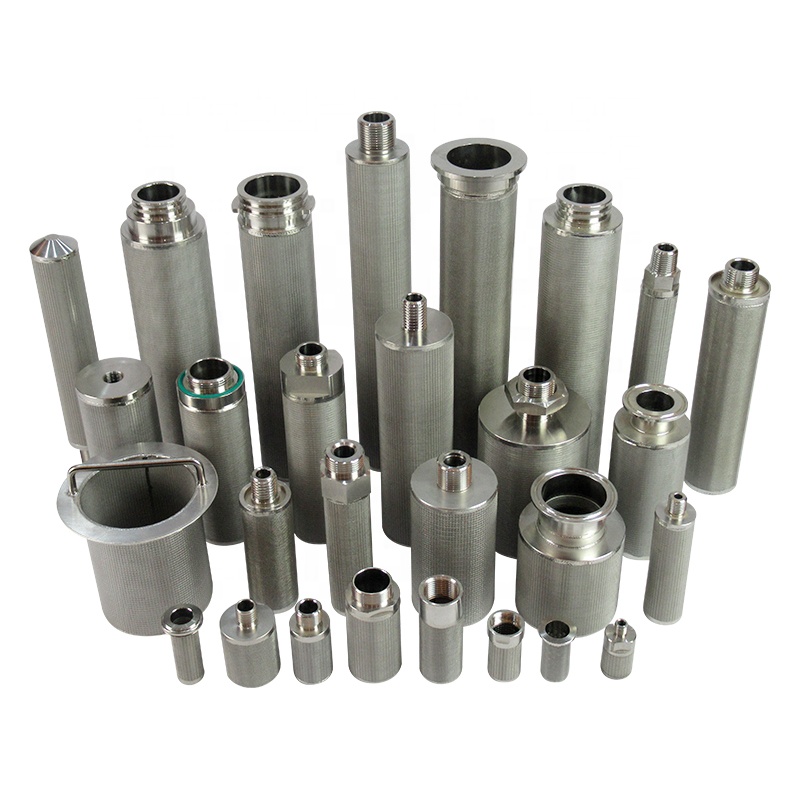
Stainless Steel Sintered Mesh Filter, also called Metal Mesh Sintered Filter, Alloy Mesh Filter, Sintered Layer Filter, along with porous powder sintered filter element, fiberglass sintered filter element, and PP/PE sintered filter element, all belong to the broad category of sintered filter elements.

The sintering mesh filter usually has five layers of stainless steel woven wire mesh, including one protective layer, one filter layer, one separating layer, and two supporting layers. Can also add a skeleton layer according to the conditions sometimes.


Here are the functions of each layer.

Protective Layer--80~100μm

With a high mesh density, its main function is to intercept large particulate impurities, preventing them from entering the next filter structure, serve as the preliminary filtration and protection.
 

Separating Layer--40~60μm

Pre-filtering the medium-sized particles, separating the fluid, prevents localized clogging. It can adjust the flow rate of the filter media to reduce the filter pressure on the main filter layer, and extend the sintered mesh filter's service life.
 

Filter Layer--2~20μm

With a uniform pore size distribution, it is used to control the filtration precision, ensuring stable filtration from 1 to 300 microns, serve as the main filtration function.
 

Supporting Layer--200~300μm

High-strength coarse metal wire mesh, provides mechanical strength, increases the pressure corrosion and stability of the sintered mesh filter element. To prevent the deforming or cracking of the main filter layer under high pressure.
 

Skeleton Layer--thickness 1~2mm

High thickness metal plate, espacially suitable for the high pressure working condition. Withstand the system pressure shocks, to prevent interlayer misalignment and
ensure the sinter filter' shape stability, serve as a whole supporting function in the sintered mesh filter cartridge.


Special Features


Exceptional Chemical and Thermal Resistance: Fabricated entirely from 316 stainless steel, this sintered disc filter withstands aggressive fluids including acids, alkalis, solvents, hydrocarbons, and high-purity water. Operating temperature ranges from cryogenic conditions up to 600°C (1112°F) in oxidizing atmospheres, and even higher in reducing environments.  This reliability ensures consistent product quality and regulatory compliance.

Engineered for High Differential Pressure and Reverse Flow:  Buyers concerned about filter blinding or frequent clogging will appreciate the rugged design that withstands repeated mechanical and thermal shocks. Our quality assurance includes bubble-point testing, tensile verification, and pore size uniformity checks on every batch.

Cost-Effective Wholesale Solution for Global Distributors and OEMs: We offer competitive pricing for volume orders while maintaining full traceability to 316L material certifications. Backed by technical datasheets, CAD drawings, and application engineering support, we help you win repeat business from end users who demand zero-defect filtration.
Quick-Open Clamp Connection for Rapid Maintenance: Engineered with quick-open clamp fitting, this sintered disc filter enables tool-free installation and removal. In food, pharmaceutical, and chemical processing, downtime directly impacts profitability. Reverse flushing or ultrasonic cleaning is highly effective, restoring the filter to near-original efficiency and maximizing reusable lifecycle value for filter buyers. 

Key Features
High-strength sintered stainless steel construction
Internal threaded connection for secure installation
Excellent corrosion and oxidation resistance
Uniform pore distribution for reliable filtration efficiency
Washable and reusable for reduced operating costs
High temperature and pressure resistance
Long service life with low maintenance requirements


Take a look at these related products


Cleaning Methods of Sintered Mesh Filter


The stainless steel sintered filter elements require standardized cleaning and proper daily maintenance during regular use to extend their service life.
 

Physical Methods

► Backwashing--Use clean water or compressed air to flush out impurities from the pores and surface of the filter element by introducing it from the outlet end in the opposite direction. Suitable for removing surface particles, sediment, and dust-like impurities. The pressure is at a range of 0.3 - 0.6MPa, the flow rate should be large enough to produce a strong flushing effect, but not so large as to damage the filter element.

► Ultrasonic Cleaning--Place the filter element into an ultrasonic cleaning tank filled with cleaning solution.  The high-frequency vibrations of the ultrasound will dislodge impurities from the surface and interior of the filter element. The ultrasonic frequency is typically between 20 and 80 kHz, and the cleaning time is generally 15 to 30 minutes. This method is suitable for cleaning fine particles, oil sludge, and gelatinous impurities from micropores.

► Mechanical Brushing--For filter elements with stubborn stains or large particulate impurities on their surface, you can gently brush the surface of the filter element with a soft brush after backwashing or ultrasonic cleaning. However, be careful not to apply too much force when brushing, as this may damage the filter element's mesh structure.
 

Chemical Methods

► Acid Cleaning--When the filter element surface contains metal oxides or scale-like impurities such as calcium and magnesium, acid cleaning can be used. Commonly used acid cleaning agents include hydrochloric acid, nitric acid, and citric acid.  The acid is prepared into a solution of a certain concentration, and the filter element is immersed in the acid cleaning solution for a period of time, and then rinsed thoroughly with clean water.

► 
Alkaline cleaning--When the filter element is contaminated with oil or organic matter, alkaline cleaning is an effective cleaning method. Alkaline solutions such as sodium hydroxide or sodium carbonate can be used, typically at a concentration of 5% to 15%. The filter element is immersed in the alkaline solution and heated appropriately for 1 to 3 hours, and then rinsed with clean water until neutral.

► 
Surfactant cleaning--For organic contamination, cleaning can be combined with the use of surfactants or enzymes (high concentrations of citric acid can be used in the food and beverage industry).
 

High-temperature Roasting

When organic matter is severely carbonized, the residue can be removed by high-temperature baking. This method is suitable for high-temperature operating conditions and high-temperature-resistant filter elements. The baking temperature is generally ≤450℃, followed by a period of heat preservation and then natural cooling. It should be noted that not all sintered mesh filter elements are suitable for this method; the suitability depends on the material.
 

Our Advantages

01
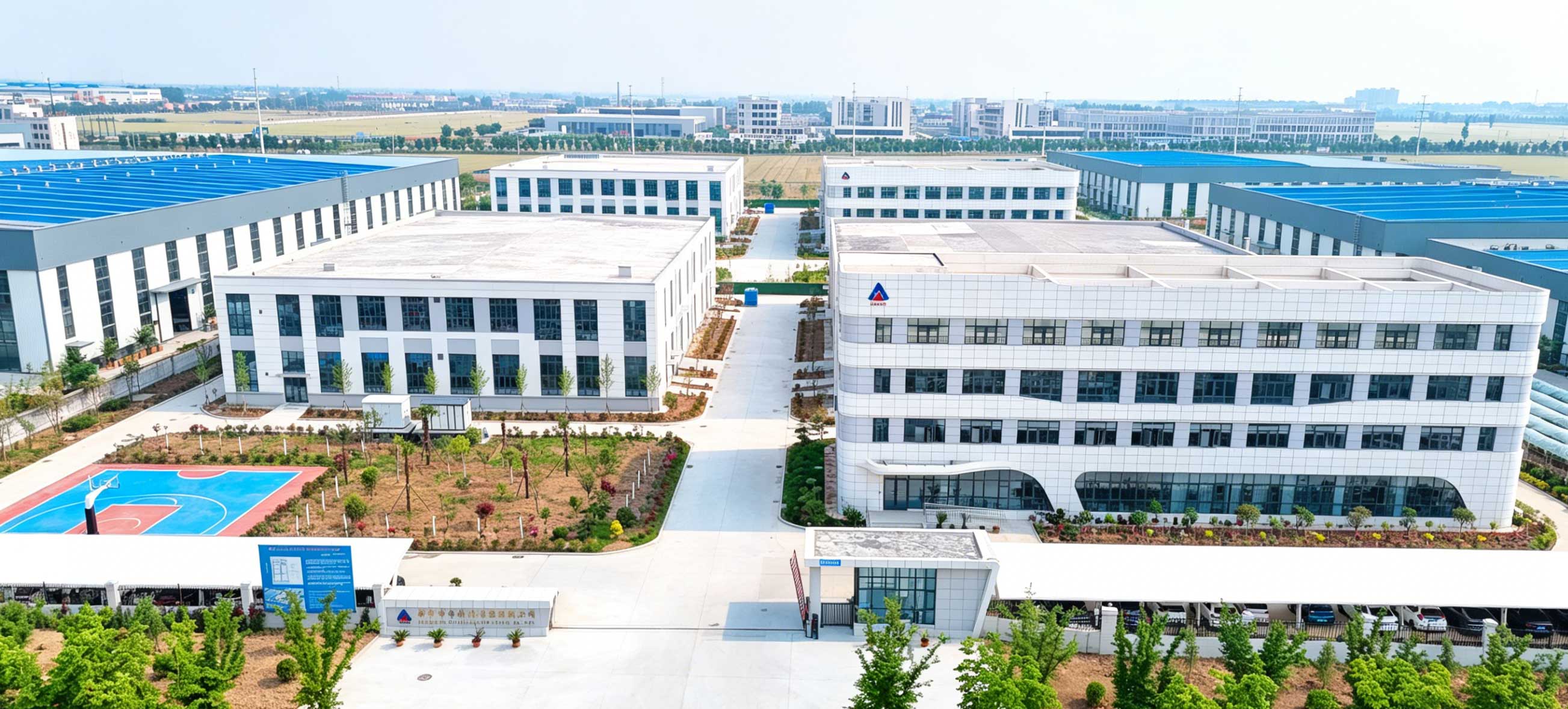
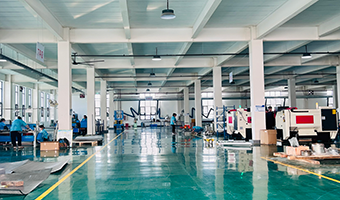
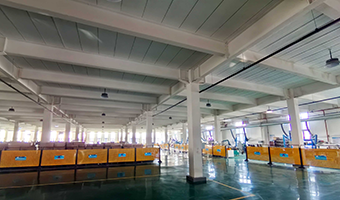
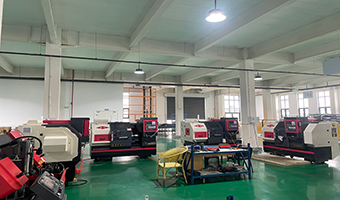
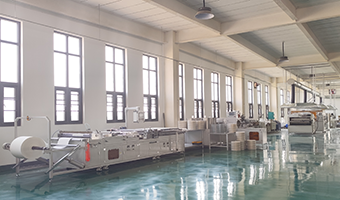
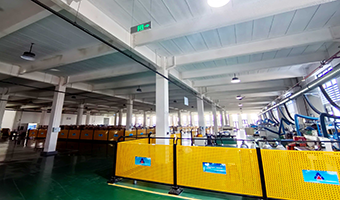
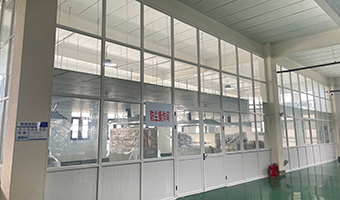
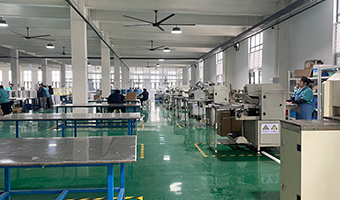
Our company covers an area of 26,000 square meters and is equipped with advanced production facilities. With strong manufacturing capabilities, we ensure high efficiency and large-scale production to meet diverse customer needs.
02
Choose us where precision engineering meets industrial durability. We utilize state-of-the-art technology in our production processes and hold internationally recognized certifications, including ISO 9001 and CE, ensuring high-quality, reliable products.
03
With over 20 years of export experience, we have established long-term partnerships worldwide. Our professional team is experienced in international trade, ensuring smooth logistics and on-time delivery for our global customers.
04
We have a complete quality inspection system covering every stage of production. From raw materials to final products, strict quality control ensures consistent performance and customer satisfaction.


Company Description


HeNan Xinxiang TOPEP Filter Co., Ltd., is a professional filter manufacturer integrating R&D, production, and sales. Located in the Advanced Manufacturing Development Zone of Xinxiang City, Henan Province, the company boasts a 26,000-square-meter modern production base, a complete production system, and independent R&D capabilities.
The company's products cover a range of products, including hydraulic oil filtration, metal sintering, air dust removal, and water treatment. They are widely used in energy and various basic industrial fields and are exported to Europe, America, the Middle East, Southeast Asia, and Africa. The company has served more than 7,000 customers worldwide.
Our company has always adhered to technology as its core and quality as its foundation, continuously improving its manufacturing capabilities and service levels, and is committed to building a filter brand with international competitiveness. While creating corporate value, it actively promotes local economic development and social employment.


Factory Show

Application


Inquiry
We have rich experience and capacity to deal with big order and projects.
Name
*
E-mail
Phone
Country
*
Message
Related Products
Chat Now
Whatsapp
Email
Phone