




Inquiry
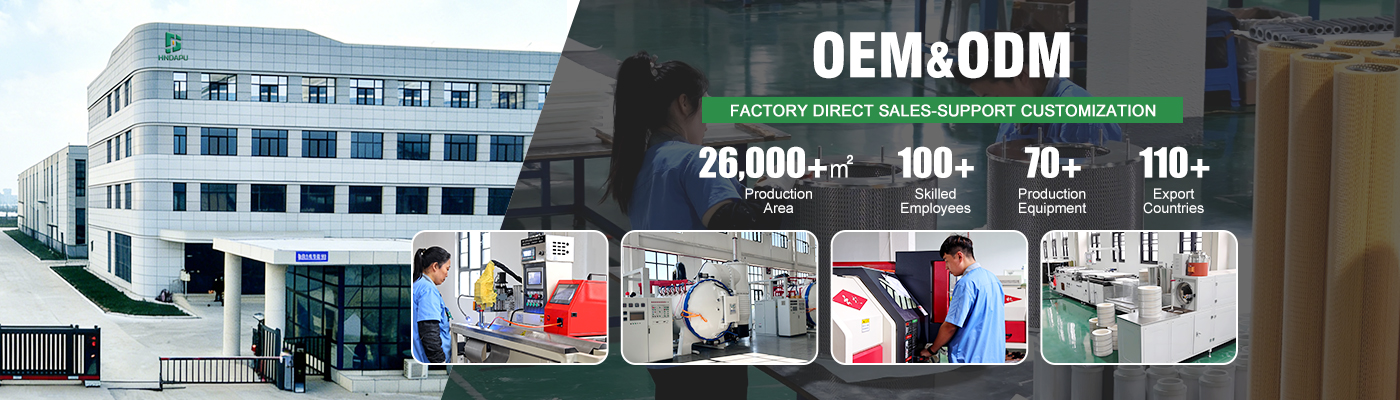
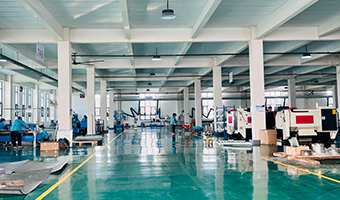
We have rich experience and capacity to deal with big order and projects.
.jpg)
.jpg)
.jpg)
.jpg)
.jpg)
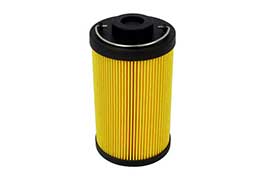
The TOPEP replacement 1.14.16D06EC0N2 hydraulic filter element helps control solid contamination in hydraulic oil circuits. By capturing particles carried with the oil, it supports the cleanliness needed by pumps, valves and other components whose operation can be affected by abrasive debris.
Its cartridge format allows the filtration element to be replaced while retaining a serviceable filter housing. An outer protective covering surrounds the filter body, and an integral lifting handle provides a convenient grip during removal and installation.
For maintenance teams and industrial parts distributors, TOPEP provides a sourcing option for this HYDAC reference. Share your required quantity and application details to discuss a suitable replacement configuration and receive a quotation.
(1).jpg)

| Product Type | Replacement hydraulic oil filter element |
| Requested Replacement Reference | HYDAC 1.14.16D06EC0N2 |
| Outside Diameter | 152.4 mm |
| Inside Diameter | 96.1 mm |
| Length | 374 mm |
| Filter Rating | 6 µm |
| Filter Material | Microglass |
| Seal Material | NBR / nitrile rubber |
| End Cap Material | Plastic, both ends |
| End Configuration | Double open end with O-ring caps |
| Flow Direction | Outside to inside |
| Operating Temperature | -30 to +100 °C |
The loop handle provides a defined lifting point above the end cap. During a planned changeout, it allows an accessible cartridge to be gripped without squeezing the outer covering. Check that the housing opening and overhead space allow the element to be withdrawn with the handle in position.
A continuous outer covering surrounds the cylindrical body, helping shield the filtration assembly from direct contact with tools and nearby surfaces. This is useful when moving a long cartridge through a housing opening, where incidental knocks can damage an exposed media pack.
The cartridge format supports element replacement inside a serviceable housing. Maintenance can focus on the contaminated insert while retaining the housing and its connections. Cleaning the housing and examining its seal seats during the same service helps avoid carrying old contamination into the next operating cycle.
Hydraulic oil repeatedly passes through working components, so particles released by wear or introduced during servicing can circulate throughout the system. A correctly selected replacement captures this debris as part of the cleanliness-control strategy, helping protect the pumps and valves on which reliable machine movement depends.
The 1.14.16D06EC0N2 replacement is intended for hydraulic oil circuits specified for the matching element configuration. Typical industry requirements include:
Press shops and metal forming. Oil cleanliness matters during repeated pressure and positioning cycles. Filtration helps control particles generated by wear in the hydraulic unit before they continue circulating through pumps and control valves.
Hydraulic injection-molding equipment. Clamping and injection movements depend on the hydraulic circuit. A correctly selected element supports contamination control during production and after interventions such as hose, pump or valve replacement.
Steel and general industrial hydraulic systems. Central power units serving multiple actuators need filtration that matches actual operating flow and oil condition. Replacement selection should account for the existing housing and circuit duty, rather than relying on the industry name alone.
For additional part references, visit TOPEP’s HYDAC replacement filter collection. These examples describe relevant hydraulic duties; equipment-specific fit depends on the installed filter assembly.
The related HYDAC catalog reference combines a 6 µm filtration rating with β6 > 1000. The micron size identifies the particle scale being assessed, while the beta ratio describes particle capture at that size. Neither figure, by itself, tells you how much oil the element can pass at an acceptable pressure drop.
For a replacement review, compare the required filtration performance with the pressure-drop curve at the circuit’s flow and oil viscosity. Cold startup, a higher-flow pump or a change of oil can increase resistance even when a new cartridge is clean. A finer element should not be chosen simply because its micron number looks better.
The practical objective is to meet the equipment’s cleanliness requirement without creating an unsuitable restriction. TOPEP’s guide to identifying a replacement filter element explains why dimensions, seals and operating conditions need to be reviewed together.
A replacement request for this cartridge should start with the parts that determine installation: the opening at each end, seal seats, overall length and clearance for the lifting handle. Send a drawing, sample details or clear end-view photographs so the proposed configuration can be reviewed before quotation.
The illustration below shows filter construction options for discussion, including dimensions, media, support structures, end caps, connections and seals. Options must be selected for the fluid and housing; the illustration does not mean every combination is suitable for the 1.14.16D06EC0N2 replacement.
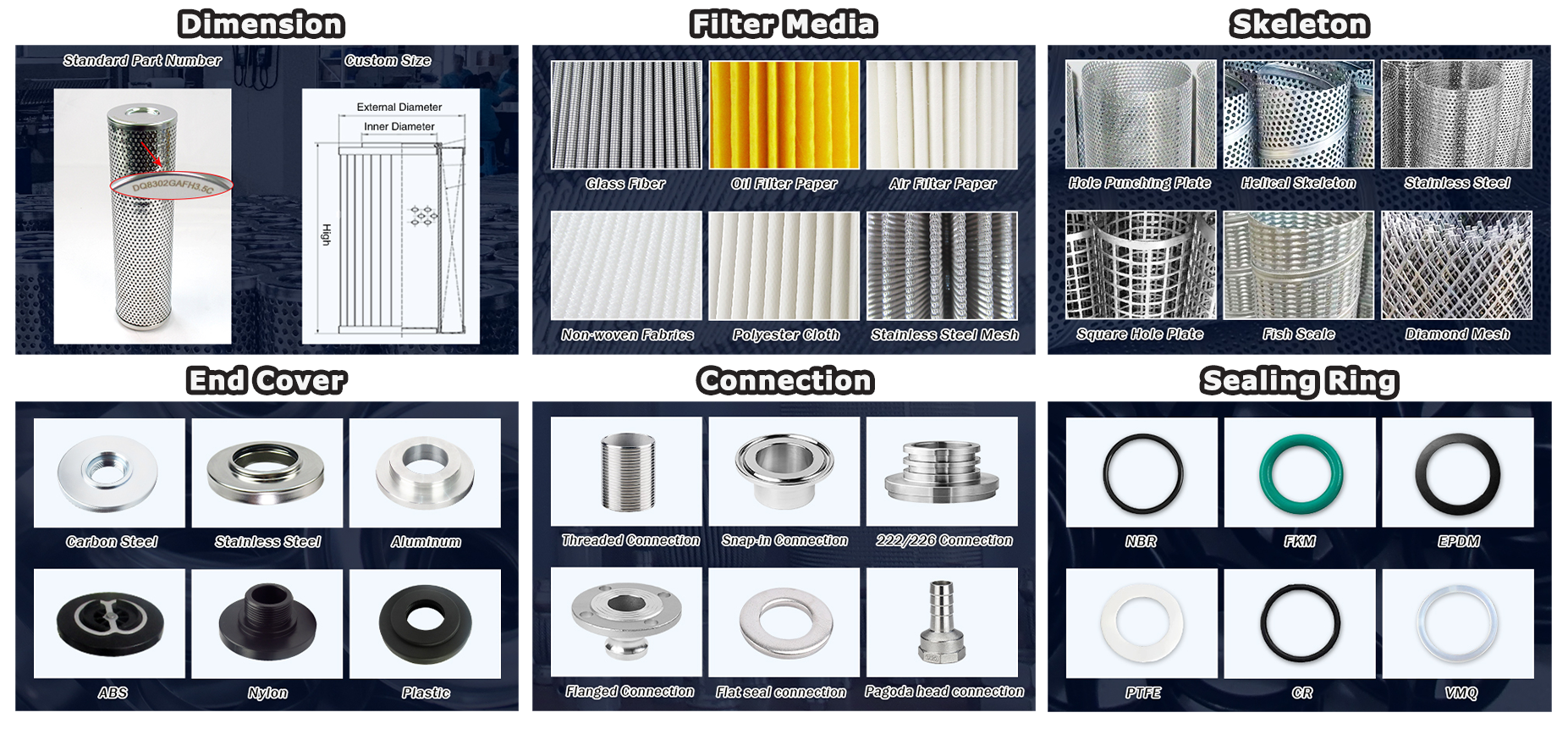
For any requested change, include the hydraulic oil type, operating temperature and flow, along with the required filtration performance. Material, seal and media choices are subject to technical confirmation.
No. The handle is a handling feature, not an instruction to change the filter’s orientation. Install the cartridge in the position and flow direction specified for the housing; also check that the handle clears the cover and internal fittings.
Not by itself. A filter captures contaminants that reach it with the circulating oil. Deposits remaining on the tank floor or in stagnant areas may need separate cleaning, while varnish or dissolved degradation products can require a different treatment approach. If deposits repeatedly reappear, investigate oil condition and the source rather than relying on frequent element changes.
Keep it for inspection if the maintenance investigation requires it. Debris in the element can help identify the contamination released by the failure. Follow the equipment repair and flushing procedure before returning the circuit to service; a fresh filter alone does not establish that lines, valves and the reservoir are clean.
Yes. An incorrect seal profile, damaged sealing surface or incomplete seating can let oil bypass the intended filtration path even when the cover closes normally. Inspect the end connections and seal seats, confirm the specified seal arrangement, and follow the housing assembly procedure. External leakage is not the only sign of an installation problem.
Send TOPEP the full reference, quantity and housing details. If you have the original label or drawing, include it so the end configuration and filtration requirement can be reviewed with your quotation request.


.jpg)
.png)
.png)
.png)
.png)