

Inquiry
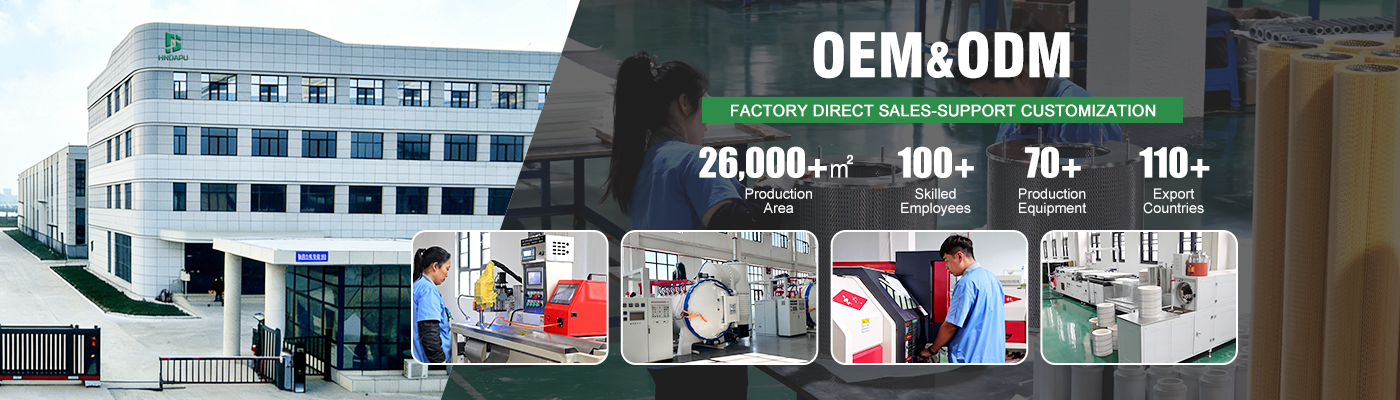
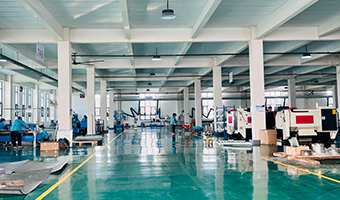
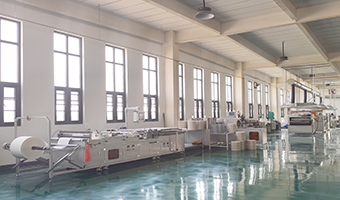
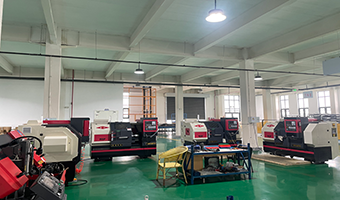
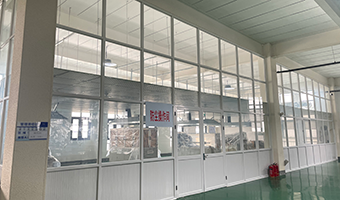
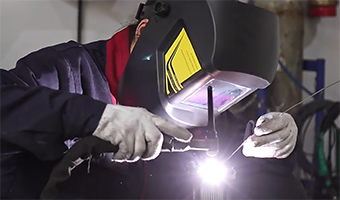
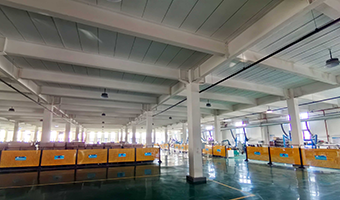
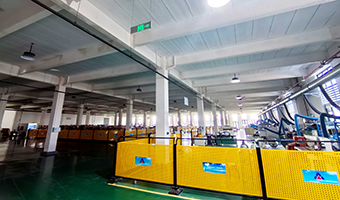
We have rich experience and capacity to deal with big order and projects.
.jpg)
.jpg)
.jpg)
.jpg)
.jpg)
Ceramic membrane filter cartridges are designed for liquid filtration applications where controlled particle separation and reliable filtration performance are important. With a porous ceramic filtration structure, ceramic filter elements can be used in suitable water treatment equipment, industrial liquid filtration systems, and selected process filtration applications.
Compared with conventional polymer-based filter media, ceramic filtration technology uses inorganic materials and can offer advantages in mechanical, thermal, and chemical stability, depending on the ceramic composition and operating conditions. The actual performance of each element depends on its pore structure, filtration rating, construction, fluid characteristics, and operating environment.
(1).jpg)

| Product Name | Ceramic Membrane Filter Cartridge |
| Filter Media | Ceramic |
| Filtration Rating | 10 μm |
| Diameter | 70 mm |
| Length | 508 mm |
| End Configuration | Double Open End (DOE) |
| Product Type | Ceramic Filter Element |
| Application | Water filtration and suitable industrial liquid treatment |
| Operating Conditions | Confirm according to the actual material and equipment requirements |
A ceramic membrane filter is a type of inorganic filtration material made from ceramic materials like alumina, zirconia, or titania. It features a unique asymmetric structure that allows for precise separation of substances at a microscopic level, typically used in demanding industrial and water treatment applications.
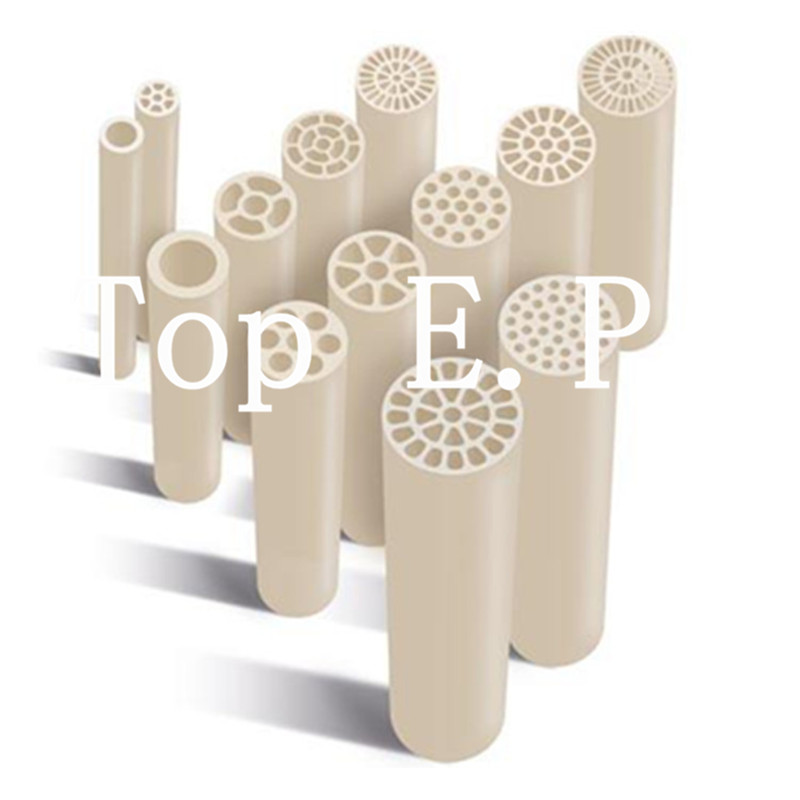
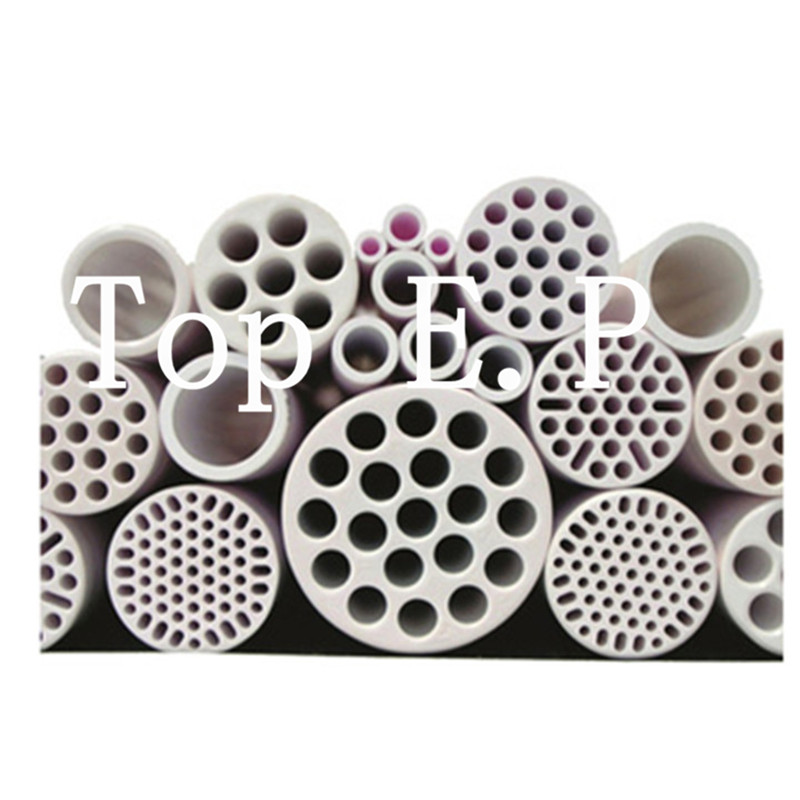
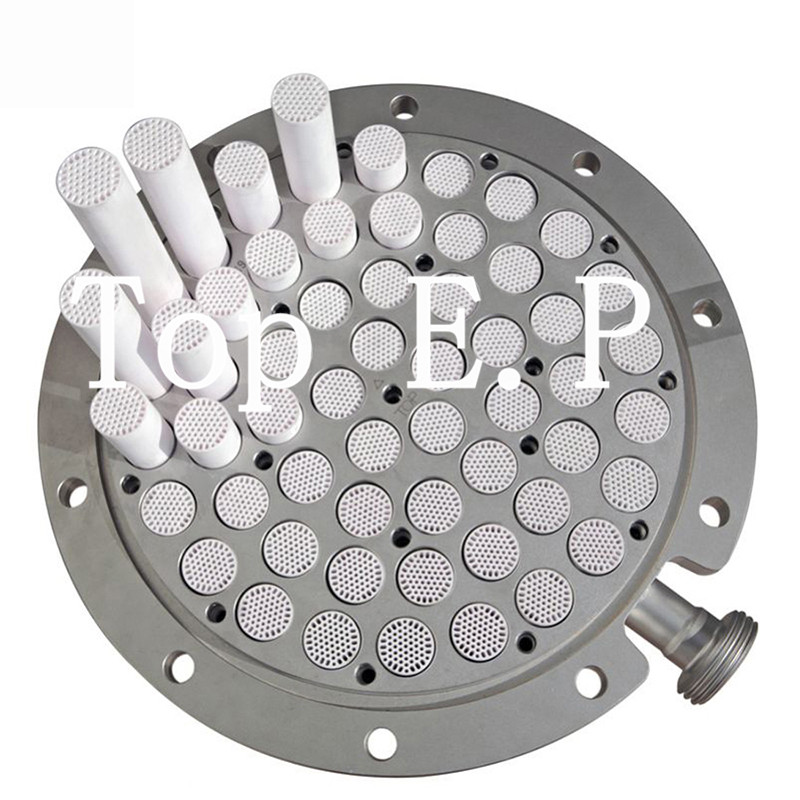
Ceramic membranes are not a single uniform block but have a layered, asymmetric structure consisting of a porous support layer, one or more intermediate layers, and a thin, selective separation layer on top . The support layer provides mechanical strength with large pores (1–20 μm), while the top separation layer has much finer pores to determine what gets filtered out . These membranes are commonly made from materials such as aluminum oxide (alumina), zirconium oxide (zirconia), titanium oxide (titania), or silicon carbide .
These filters primarily operate using cross-flow filtration. In this process, the feed liquid flows parallel to the membrane surface at high speed. The pressure drives smaller molecules (like water) through the membrane as "permeate," while larger molecules, particles, or suspended solids are retained and concentrated in the "retentate" stream . This continuous flow helps prevent the membrane from clogging too quickly compared to traditional "dead-end" filters.
The ceramic nature of these filters gives them properties that polymer-based membranes often lack:
Extreme Durability: They possess excellent thermal stability, allowing them to withstand high temperatures and steam sterilization .
Chemical Resistance: They are highly resistant to strong acids, alkalis, and organic solvents, which means they can be cleaned aggressively with chemicals when fouled .
Long Lifespan: Due to their mechanical strength and stability, they can last significantly longer than polymeric membranes, often 3 to 10 years or more .
High Precision: They can be manufactured with precise pore sizes to cover microfiltration (MF), ultrafiltration (UF), and even nanofiltration (NF) ranges .
Ceramic membrane filters are favored in situations where polymer membranes would degrade or fail. Key uses include:
Industrial Wastewater: Treating oily wastewater, textile effluents, and other harsh chemical streams .
Food and Beverage: Clarifying fruit juices (like apple and grape), concentrating products, and recovering valuable compounds .
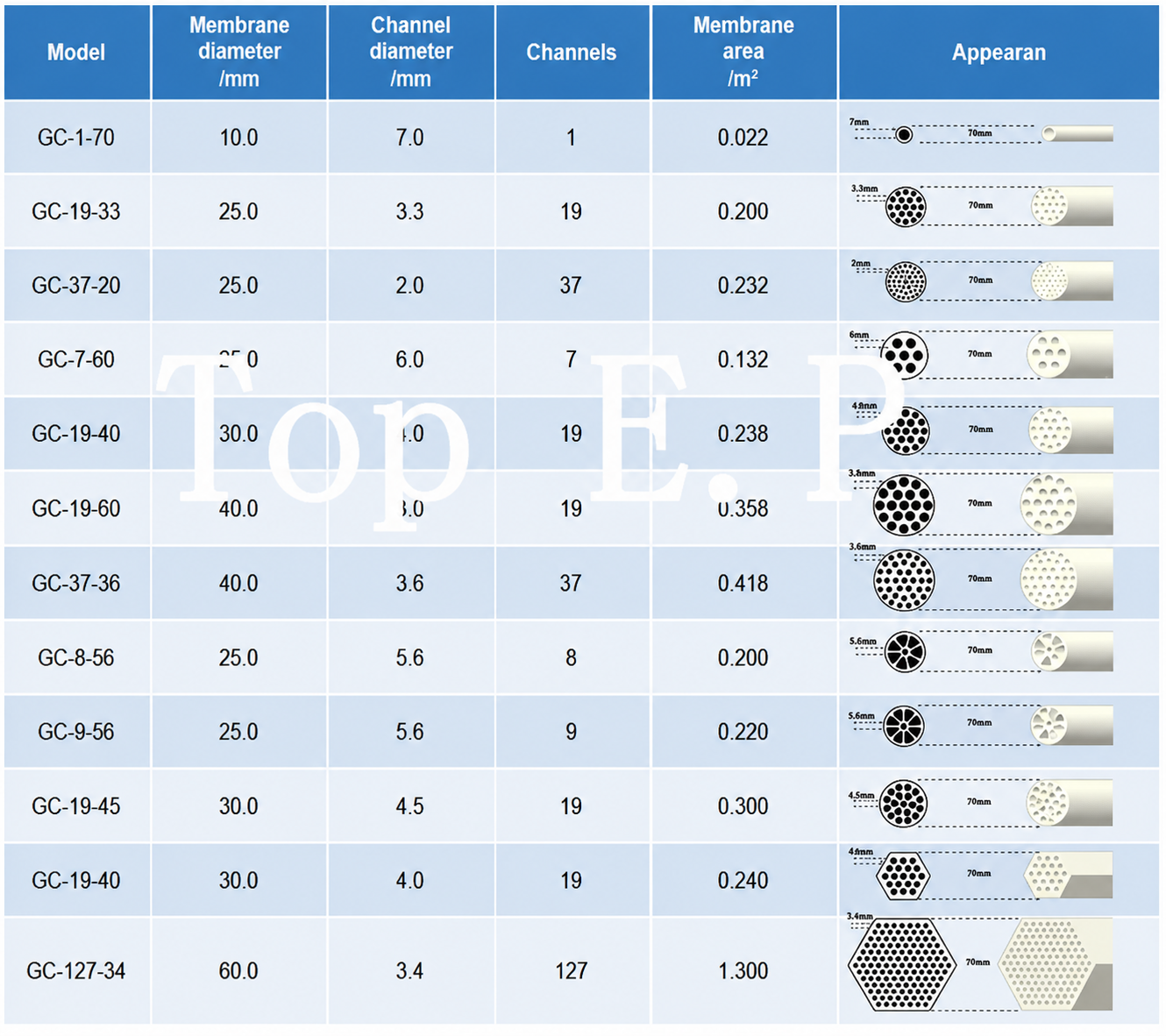
Our ceramic membrane filter series is available in multiple structural designs to meet different filtration system requirements. The available models feature different membrane diameters, channel diameters, channel configurations, and membrane areas, providing options for various industrial liquid filtration and water treatment applications.
The specification table below provides an overview of the available models and their structural configurations. You can compare the key dimensions and membrane areas to identify a suitable option for your equipment. For accurate selection, please confirm the required filtration rating, operating conditions, connection requirements, and compatibility with your filtration system.
If you need a customized ceramic membrane element or assistance selecting a suitable model, please contact our team with your application details and technical requirements.
Q: How does ceramic membrane filtration differ from polymeric membranes?
A: Ceramic membranes offer superior chemical resistance (pH 0–14), thermal stability (up to 250°C), and mechanical strength. They can be cleaned with aggressive chemicals and steam-sterilized, resulting in longer service life and lower replacement frequency. The trade-off is higher initial cost.
Q: Can I use ceramic cartridges in my existing stainless steel housing?
A: Yes, provided the housing dimensions, seal type, and connection geometry match. We offer elements compatible with common industry standards (e.g., Pall Schumasiv, Membralox) and can supply custom configurations.
Q: What is the expected pressure drop?
A: Transmembrane pressure typically ranges from 2–15 bar depending on pore size, feed concentration, and cross-flow velocity. Our technical team can provide projected performance curves for your specific application.
Q: How often should I replace the cartridge?
A: With proper cleaning and operation, ceramic membrane elements typically last 3–10 years. Replacement is indicated when irreversible fouling reduces flux below acceptable levels despite optimized CIP protocols.
Q: Do you provide pilot testing?
A: Yes. We offer lab-scale and pilot-scale ceramic membrane elements for feasibility testing. Contact us with your feed stream characteristics and separation goals.